

Luxury Does Not Equal Expensive
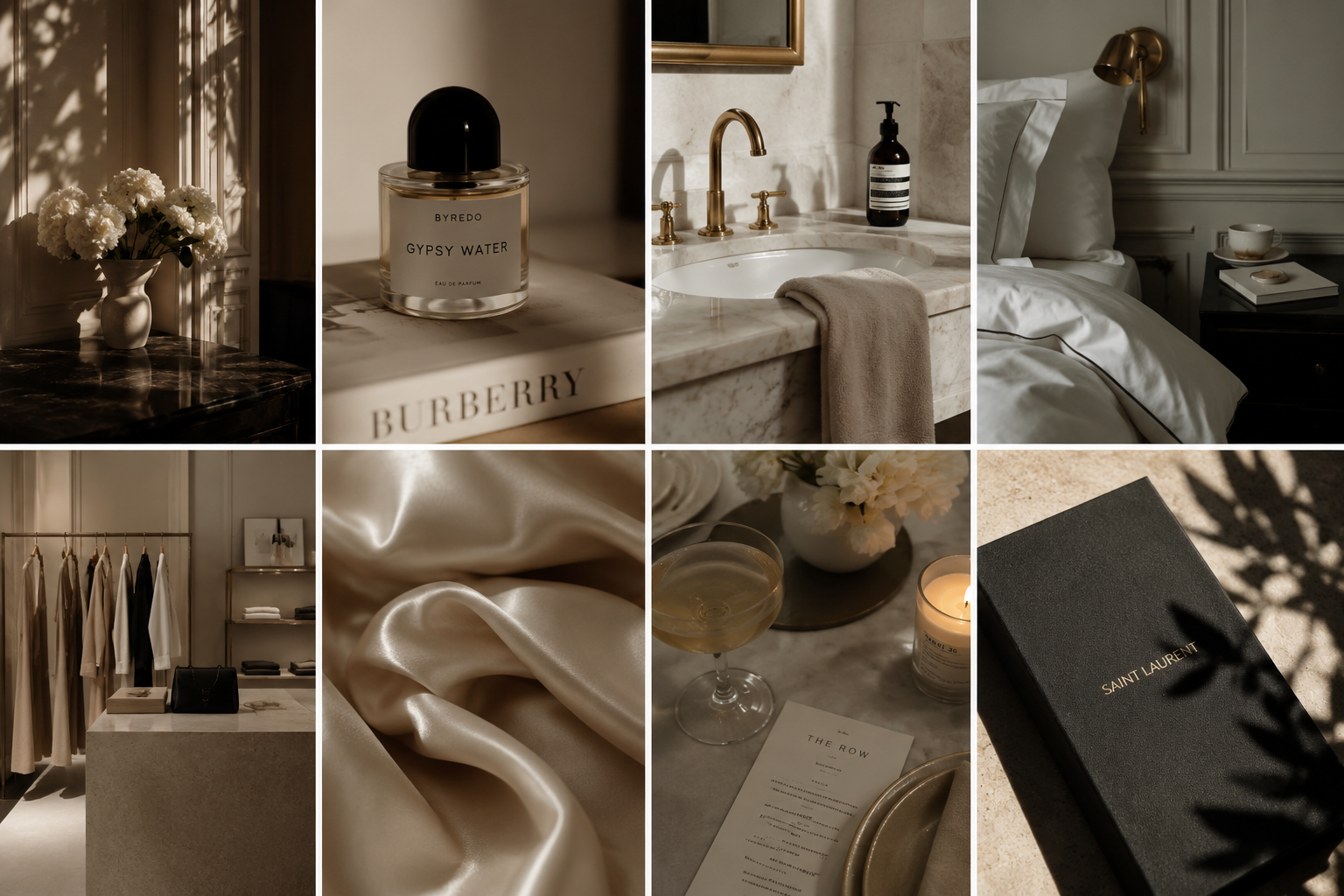
Luxury has never been about price alone.
We all know this instinctively. A diamond-encrusted handbag can try too hard. A five-star hotel can feel cold. A beautiful website can fail to center the user.
This consumers will remember. Because consumers are people. And people remember how a brand made them feel.
The best luxury brands understand this deeply. They know every brand touchpoint shapes perception. The lighting in a hotel lobby. The pacing of an email. The weight of packaging in someone’s hand. The tone of a confirmation message after a purchase.
The words matter too.
Especially now.
Consumers are like sleuths when spotting performance. They immediately know when a brand is trying to look or sound luxurious instead of actually creating a thoughtful experience.
You see it all the time: elevated visuals paired with vague language trying to manufacture importance. Everything is “timeless,” “iconic,” “elevated.”
Eventually the language becomes wallpaper. And not the kind that fits your cozy home aesthetic. The late-1990s Tuscan kitchen wallpaper (I have personal beef.)
The brands people genuinely connect with tend to feel more specific and direct. More focused. More emotionally aware.
That doesn’t mean luxury should become casual. I actually think the opposite is true. Luxury works best when there’s restraint. A sense that someone thought carefully about what to say and what to leave out.
“Luxury works best when there’s restraint. A sense that someone thought carefully about what to say and what to leave out.”
This is why storytelling matters. The most compelling luxury brands are not selling items, they are building worlds.
A fragrance becomes a sensory experience.
A hotel becomes an escape.
A skincare ritual becomes restoration.
A fashion house becomes belonging.
Every touchpoint contributes to this feeling, from website copy to a restaurant menu and even a sales associate’s script.
Even silence itself. Especially silence.
True luxury doesn’t beg for attention. It doesn't say "Hey, look at me!” It beckons without shouting. It commands—never demands—attention.
This is something I think about often as a copywriter. The role of luxury copy is not simply to describe a product or service with fancy words, it is to shape perception. To create emotional resonance. To make someone feel something before they ever purchase.
The shift happening across luxury is fascinating because humans crave substance. We always have. So luxury consumers are keen to prioritize experiences that feel intentional rather than over-engineered.
This means luxury should become more human.
The brands that will continue to resonate are the ones that understand luxury is not about creating distance between themselves and the consumer but about blending intimacy, trust, aspiration and meaning.
Luxury is the feeling of being understood before a word is spoken.
It’s often the smallest, most intricate details that communicate a brand’s essence.
It’s the showing, not the telling.
It’s conveying atmosphere and ambiance.
Drawing on emotion.
Building a world someone wants to enter again and again.
Because in the end, people may forget what your brand said.
But they will always remember how it made them feel.
