

Why Luxury Brands Are Moving Into Hospitality
For generations, luxury brands built businesses around aspiration. With handbags, watches, fragrances and clothing, consumers could buy into a particular vision of life.
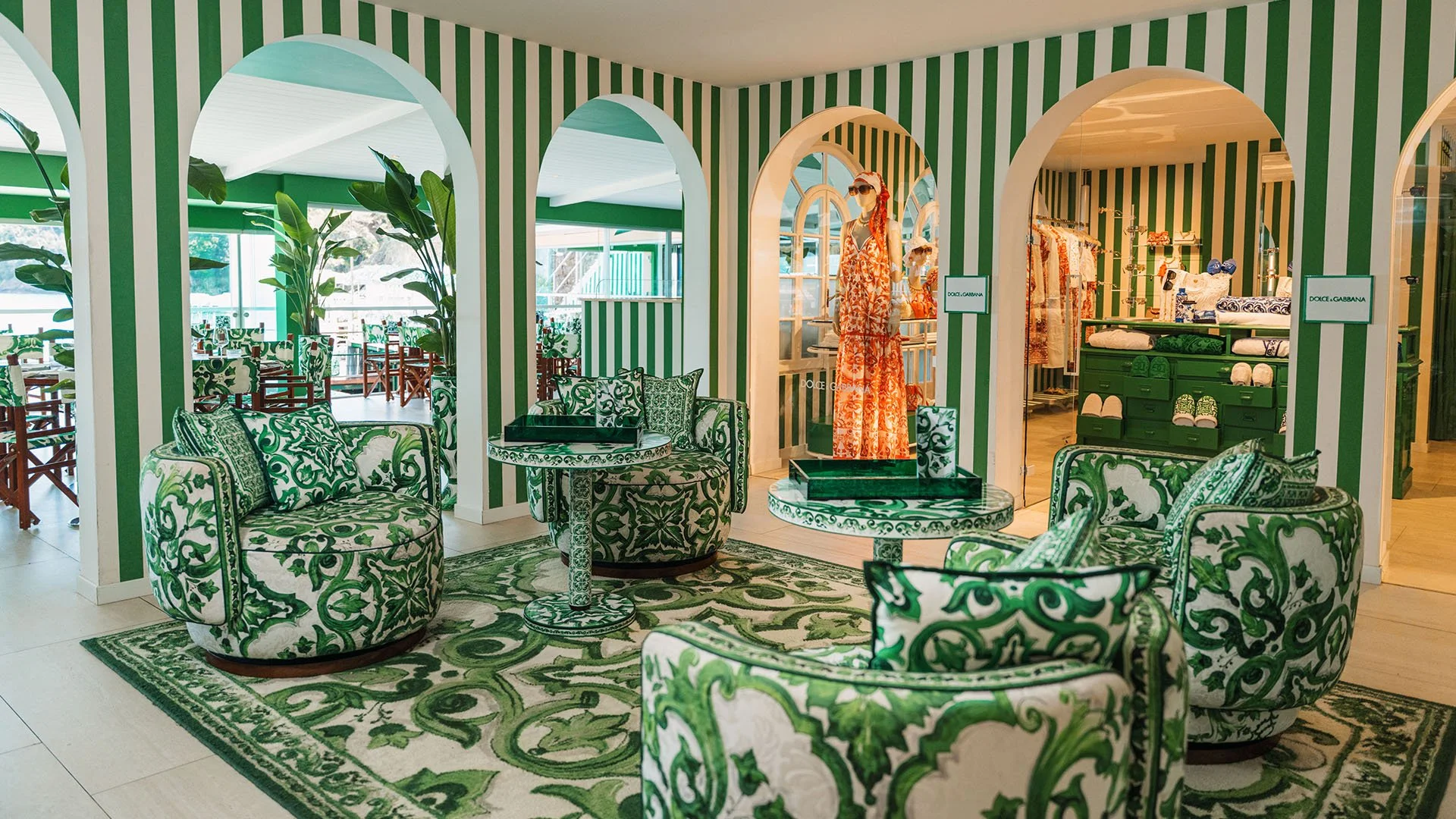
Photo courtesy of Dolce & Gabbana
The product was the entry point, but the appeal extended far beyond leather goods or ready-to-wear. Consumers weren’t simply purchasing objects. They were purchasing proximity to a world they wanted to inhabit.
Increasingly, luxury brands are realizing they no longer have to leave that world to the imagination.
Hospitality has become one of the most powerful expressions of brand identity because it allows companies to control not just what customers buy, but how they feel. A handbag may communicate craftsmanship or status, but a hotel can communicate atmosphere, pace, values and lifestyle in a way few products can. It answers questions a boutique never could:
How does this brand welcome guests?
What does generosity look like in its universe?
What details deserve ceremony and which should feel effortless?
The difference between selling products and hosting people is the difference between telling a story and inviting someone to step inside it.
The Boutique Was Never the Final Destination
Luxury retail has always borrowed from hospitality, even if it didn’t call itself that. The champagne offered during an appointment, the associate who remembers a client’s preferences and the carefully choreographed unboxing experience all share the same objective: making someone feel recognized, anticipated and cared for.
The best luxury stores have never felt transactional. They have always been theatrical.
Hospitality simply extends the performance. A restaurant allows a brand to determine what guests eat, hear and smell. A hotel allows it to shape mornings, evenings and moments of rest. Suddenly, the brand isn’t simply responsible for the product on the shelf. It’s responsible for the mood of the room, the pace of service and the emotional tone of the entire experience.
That level of immersion is difficult to achieve through retail alone.
Fashion Houses As Hosts
The examples are compounding.
Louis Vuitton has expanded far beyond fashion through cafés, restaurants and its upcoming hotel in Paris. Dior has transformed beach clubs, spas and seasonal destinations into extensions of the house itself. Dolce & Gabbana has moved into hospitality experiences that bring its distinctly Mediterranean sensibility into entirely new settings. Meanwhile, Versace recognized the opportunity years ago through branded hotels and residences that translated the house aesthetic into architecture and service.
What’s striking is that these experiences rarely feel like licensing exercises or merchandising opportunities. The strongest examples feel inevitable, as though the brand was always meant to exist there.
A guest checking into a Versace hotel isn’t simply staying somewhere beautiful. They’re experiencing the brand’s interpretation of glamour, abundance and celebration. A Dior beach club isn’t merely a restaurant with logos on the umbrellas. It’s an opportunity to understand how Dior thinks a life of leisure should feel.
Hospitality gives brands the chance to move from storytelling to worldbuilding.
Hospitality Is the Ultimate Brand Test
Products can hide inconsistencies. Hospitality cannot. A hotel forces a brand to make decisions about service, pacing, atmosphere and emotion. It requires clarity around questions that advertising campaigns can often avoid.
How should a guest feel when they arrive?
What should surprise them?
What should never require explanation?
What deserves ceremony?
What should feel effortless?
These aren’t operational decisions, they’re brand decisions. Hospitality has a way of exposing whether a brand truly understands itself. Because guests don’t merely observe hospitality, they inhabit it.
This may explain why hospitality has become such an attractive frontier for luxury brands. It allows brands to express their identity with extraordinary precision. It also tests whether that identity is strong enough to exist beyond the products that made them famous.
When a guest spends three nights inside your world instead of 30 minutes inside your store, every detail suddenly matters that much more.
Consumers Want Access to the World, Not Just the Product
This evolution reflects a shift in consumer behavior as much as brand strategy. Luxury consumers increasingly place value on experiences that create memories, stories and emotional connection alongside ownership. A handbag may become part of someone’s wardrobe, but a memorable meal or extraordinary hotel stay becomes part of how they remember a particular season of life.
One lives in the closet while the other is etched in memory.
That distinction matters because memories create a different kind of loyalty. Customers may admire products from a distance, but experiences build intimacy. Hospitality allows brands to move from being admired to being lived.
And for luxury companies, that’s an incredibly powerful proposition.
The Future of Luxury Looks Surprisingly Familiar
Hospitality has always excelled at one thing luxury brands aspire to create: belonging. The best hotels anticipate needs before they become requests and make guests feel as though the experience was designed specifically for them. Increasingly, luxury brands are discovering that this same philosophy can deepen relationships with customers in ways products alone cannot.
Fashion can suggest a lifestyle. Hospitality can deliver it.
That may ultimately explain why many luxury brands are now crossing into restaurants, residences and hotels. To be clear, they are not abandoning fashion, beauty or retail. Instead, they are expanding the number of ways customers can experience the values that made those brands desirable in the first place.
Because the future of luxury isn’t simply about owning a piece of the brand.
It’s about living inside its world.
Hire a luxury copywriter
〰️
Hire a luxury copywriter 〰️
Delesia Watson is the founder of Life is Deleesh, a luxury copywriting studio. Based in New York City, she serves luxury clients worldwide, helping them convey a first-class approach across all brand touchpoints.
