

Ralph Lauren and the Business of Aspiration
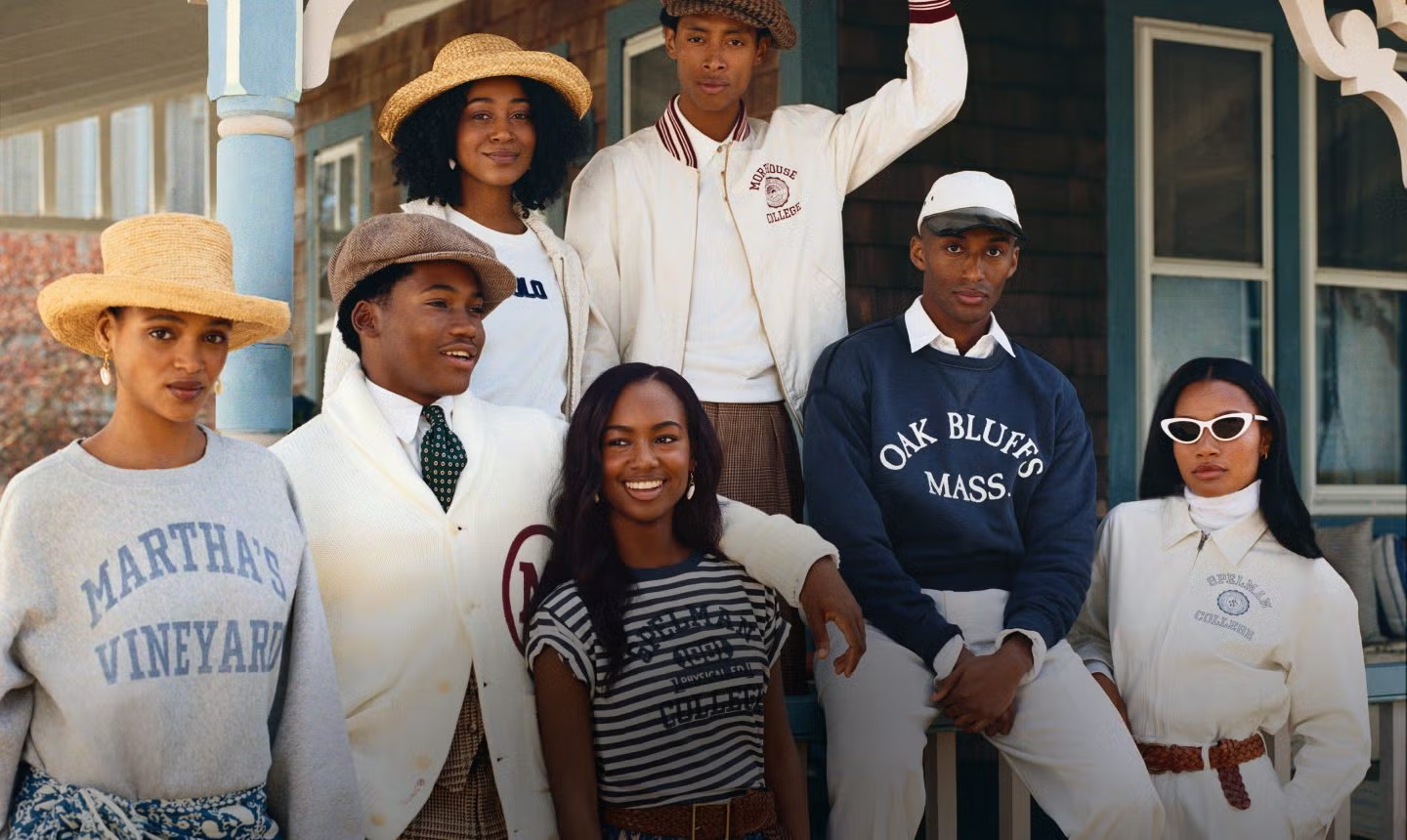
Photo courtesy of Ralph Lauren
Earlier this year, Ralph Lauren crossed $8 billion in annual revenue. Impressive milestone, certainly. But the number itself isn’t what interests me. What interests me is that one of the great branding stories of the last century is still working.
Because Ralph Lauren never sold polo shirts.
He sold horseback riding in Connecticut, summers in the Hamptons and cocktails on the Upper East Side. He sold Colorado ranches and Manhattan townhouses, library bars and vintage roadsters, sailboats off Nantucket and weekends that somehow always seemed to happen during golden hour.
The polo shirt was simply the uniform.
Long before brands talked about community, immersion and world-building, Ralph Lauren understood something fundamental about human nature: people don’t simply buy products. They buy stories, identities and the opportunity to participate in a world they admire.
What I find remarkable is that the architect of that world was a boy from the Bronx named Ralph Lifshitz.
He wasn’t born into old money or East Coast aristocracy. He built an aspirational vision of America and sold it back to Americans, eventually exporting it to the rest of the world. Not necessarily the America that existed, but the America people wanted to believe in. An America of linen trousers, well-worn leather chairs and houses with names instead of addresses. Of horse farms and beach houses, heirloom silver and worn leather chairs, effortless weekends and lives that seemed to move at a gentler pace.
And over time, that world expanded.
One of the most compelling examples came in Martha’s Vineyard, where Ralph Lauren turned his lens toward Oak Bluffs and the generations of Black families who have spent summers building community, tradition and legacy on the island. The campaign didn’t feel like a departure from the Ralph Lauren universe. If anything, it felt like an acknowledgment that aspiration has always belonged to more people than luxury advertising was historically willing to admit.
That’s the genius of the brand: the fantasy was never really about wealth.
It was about belonging.
The person buying a Ralph Lauren blazer wasn’t purchasing wool and buttons. They were buying membership in a particular worldview, one that valued tradition, leisure, confidence and ease. They were buying proximity to a story that felt timeless, even if they lived in a studio apartment and took the subway to work every morning.
That may be Ralph Lauren's greatest lesson for modern luxury brands.
Products age.
Trends change.
Stories endure.
It’s no coincidence that luxury brands are moving into hotels, restaurants, residences and hospitality experiences. The brands winning today understand what Ralph Lauren understood decades ago: people want more than products. They want worlds they can step into.
Increasingly, the question isn’t, “What are we selling?”
It’s, “What kind of life are we inviting people to imagine?”
Ralph Lauren has answered that question with remarkable consistency for more than fifty years.
Hire a luxury copywriter
〰️
Hire a luxury copywriter 〰️
Delesia Watson is the founder of Life is Deleesh, a luxury copywriting studio. Based in New York City, she serves luxury clients worldwide, helping them convey a first-class approach across all brand touchpoints.
